
Was ist Lichenologie?
Lichenologie ist die Wissenschaft von den Flechten. Der Name geht auf das griechische Wort leichen für Flechte zurück. Im Deutschen wird das Fach auch Flechtenkunde genannt.
Untersucht werden Aufbau, Lebensweise, Verbreitung und Systematik der Flechten – jener Doppelorganismen aus einem Pilz und einer Alge. Weil der Pilzpartner die Art bestimmt, gilt die Lichenologie traditionell als Teilgebiet der Mykologie, also der Pilzkunde, und steht zugleich der Botanik nahe. In der Praxis arbeitet sie eng mit Ökologie, Chemie und Naturschutz zusammen.
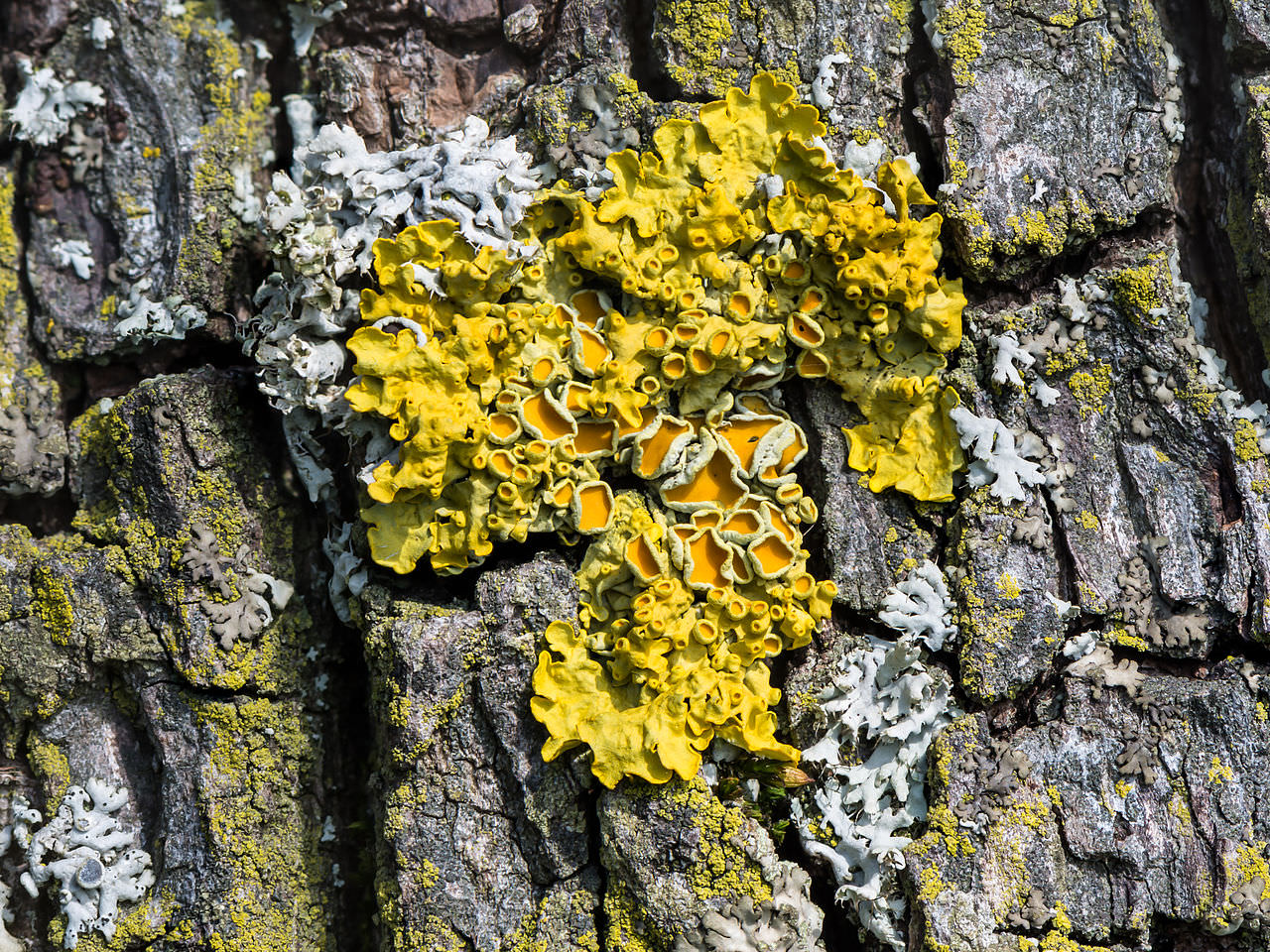
Die Lichenologie hat einen handfesten Nutzen über die reine Grundlagenforschung hinaus: Flechten dienen als Anzeiger für Luftqualität, helfen bei der Altersbestimmung von Gesteinsoberflächen und liefern chemische Substanzen, die pharmakologisch interessant sind.
Diese Seite gibt einen geordneten Überblick und verweist an den passenden Stellen auf vertiefende Beiträge – etwa darauf, was Flechten genau sind und wie ihre Symbiose funktioniert.
Geschichte und Forschungszweige
Flechten wurden lange als einfache Pflanzen geführt. Den Wendepunkt brachte 1867 der Botaniker Simon Schwendener mit der Erkenntnis, dass eine Flechte aus zwei Organismen besteht – einem Pilz und einer Alge. Diese Doppelnatur war zunächst heftig umstritten, prägt das Fach aber bis heute.
Aus der beschreibenden Anfangszeit haben sich mehrere Forschungszweige entwickelt:
- Systematik und Taxonomie ordnen die rund 25.000 Arten und benennen sie – heute zunehmend mit Hilfe der DNA-Analyse.
- Ökophysiologie untersucht, wie Flechten mit Trockenheit, Licht und Temperatur umgehen.
- Flechtenchemie erforscht die Flechtensäuren, charakteristische Stoffe, die zur Bestimmung und für Anwendungen genutzt werden.
- Biomonitoring setzt Flechten als Anzeiger für Luftqualität ein.
Die Bestimmung stützt sich klassisch auf Merkmale wie Wuchsform und Fruchtkörper sowie auf chemische Farbreaktionen (Tüpfelproben). Moderne molekulargenetische Methoden haben das Artbild in den letzten Jahrzehnten stark verändert und manche vermeintlich einheitliche Art in mehrere aufgespalten. Lichenologie ist damit ein lebendiges Forschungsfeld und kein abgeschlossenes Kapitel.
Flechten verstehen: Pilz und Alge
Im Zentrum der Lichenologie steht die Symbiose. Der Pilz (Mykobiont) bildet den Körper und schützt die Algen vor Austrocknung und zu viel Licht. Die Alge oder das Cyanobakterium (Photobiont) liefert über Photosynthese den Zucker. Beide zusammen ergeben einen Organismus mit eigener Gestalt, der weder als Pilz noch als Alge allein vorkommt.
Diese Partnerschaft erklärt die besonderen Eigenschaften der Flechten: ihre Genügsamkeit, ihr langsames Wachstum und ihre Fähigkeit, in Trockenstarre extreme Bedingungen zu überdauern. Cyanobakterien-Flechten können zusätzlich Luftstickstoff binden und damit nährstoffarme Standorte aufwerten.
Wer die Symbiose, den schichtigen Aufbau des Thallus und die Rolle der beiden Partner im Detail verstehen möchte, findet die ausführliche Erklärung im Beitrag Was sind Flechten?. Dort ist auch beschrieben, warum eine Flechte heute eher als kleines Ökosystem mit weiteren beteiligten Mikroorganismen gilt.
Die Wuchsformen im Überblick
Für die erste Ansprache im Gelände teilt die Lichenologie Flechten nach ihrer Wuchsform ein. Drei Grundtypen lassen sich unterscheiden:
- Krustenflechten sitzen flach und fest auf dem Untergrund und lassen sich nicht ablösen. Sie überziehen Felsen, Mauern und Rinde, etwa die gelbgrüne Landkartenflechte.
- Blattflechten bilden blattartige Lappen mit klarer Ober- und Unterseite und haften nur teilweise. Ein Beispiel ist die Hundsflechte auf Waldböden.
- Strauchflechten wachsen aufrecht, hängend oder buschig verzweigt. Dazu gehört das Isländische Moos, das trotz des Namens eine Flechte ist, ebenso die hängenden Bartflechten.
Die Wuchsform sagt oft etwas über den Standort und die Empfindlichkeit aus: Strauchflechten reagieren am stärksten auf Luftverschmutzung, Krustenflechten sind am robustesten. Die Übergänge sind fließend, und eine sichere Artbestimmung braucht zusätzliche Merkmale wie Fruchtkörper und chemische Reaktionen. Als schneller Einstieg ist die Einteilung in Krusten-, Blatt- und Strauchflechte aber bewährt.
Flechten als Bioindikatoren
Ein praktischer Schwerpunkt der Lichenologie ist die Bioindikation. Flechten nehmen Wasser und Nährstoffe direkt aus der Luft auf und reichern dabei auch Schadstoffe an. Weil sie weder Wurzeln noch eine abweisende Wachsschicht besitzen, reagieren sie sehr empfindlich auf Veränderungen der Luftqualität.
Historisch zeigte sich das an der „Flechtenwüste“ der Städte: Hohe Schwefeldioxid-Werte ließen empfindliche Arten aus Ballungsräumen verschwinden. Mit sauberer Luft sind viele zurückgekehrt. Heute steht der Stickstoffeintrag aus Landwirtschaft und Verkehr im Vordergrund, der stickstoffliebende Arten fördert und Spezialisten verdrängt.
Aus der Artenzusammensetzung lässt sich deshalb die Belastung eines Standorts ablesen. In der Flechtenkartierung erfassen Fachleute systematisch das Vorkommen an Bäumen und Gestein und gewinnen so ein kostengünstiges, langfristig vergleichbares Bild der Umweltqualität. Vergleicht man die Aufnahmen über Jahre, werden Trends sichtbar – etwa die Rückkehr empfindlicher Arten nach einer Verbesserung der Luft. Solche Daten ergänzen technische Messstationen und decken Flächen ab, die sonst nicht überwacht würden.
Bekannte Arten und Einstieg in die Bestimmung
Für den Einstieg eignen sich gut kenntliche Arten: das Isländische Moos als Strauchflechte, die Landkartenflechte als Krustenflechte und die Hundsflechte als Blattflechte.
Zur Bestimmung braucht es etwas Ausrüstung: eine Lupe (10-fach), einen regionalen Flechtenschlüssel und für chemische Tüpfelproben einige Reagenzien. Notiert werden Wuchsform, Untergrund, Farbe und Fruchtkörper. Schon diese Merkmale grenzen die Möglichkeiten stark ein.
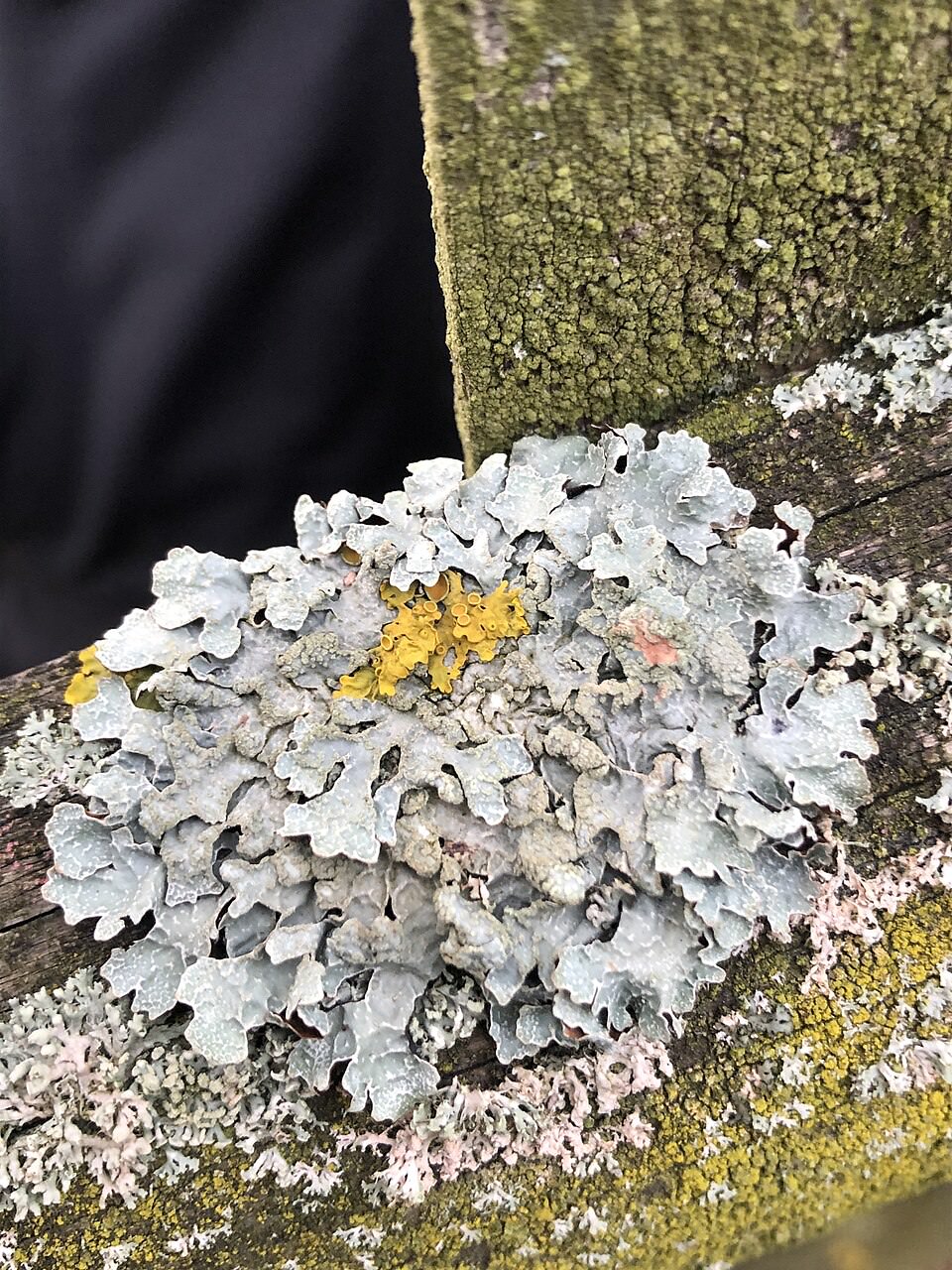
Ein wichtiger Hinweis zum Schutz: Viele Flechten wachsen extrem langsam und reagieren empfindlich. Im Zweifel beobachtet und fotografiert man, statt zu sammeln. Und zur Begriffsklärung: Die Hautflechte des Menschen ist keine Flechte, sondern eine Pilzerkrankung der Haut – die Namensähnlichkeit ist rein zufällig.
Häufige Fragen zur Lichenologie
Was untersucht die Lichenologie?
Sie erforscht Aufbau, Lebensweise, Verbreitung und Systematik der Flechten sowie deren Nutzung, etwa als Anzeiger der Luftqualität.
Ist Lichenologie ein Teil der Botanik oder der Mykologie?
Beides berührt sie. Da der Pilzpartner die Art bestimmt, gilt sie traditionell als Zweig der Mykologie, steht der Botanik aber nahe.
Womit kann man Flechten bestimmen?
Mit einer Lupe, einem regionalen Flechtenschlüssel und chemischen Tüpfelproben. Wuchsform, Untergrund und Fruchtkörper sind die wichtigsten Merkmale; im Zweifel hilft eine DNA-Analyse.
Quellen und weiterführende Literatur:
- Wikipedia – Lichenologie (Begriff und Fachgeschichte)
- Wikipedia – Flechte (Symbiose und Wuchsformen)
- BLAM – Bryologisch-lichenologische Arbeitsgemeinschaft für Mitteleuropa (Fachgesellschaft: Bestimmung, Kartierung, Flechte des Jahres)
- NABU – Flechten: Wenn der Pilz mit der Alge (Bioindikation und Schutz)